Understanding the odds and probabilities in poker is crucial for any serious player looking to improve their game and make informed decisions at the table. Whether you’re a seasoned pro or a casual player, grasping the fundamental concepts of poker odds can give you a significant edge over your opponents. In this comprehensive guide, we’ll delve into the intricacies of poker odds and probabilities, equipping you with the knowledge to become a more strategic and successful player.
The Importance of Poker Odds
Poker is a game of skill, strategy, and, to a certain extent, luck. While you can’t control the cards you’re dealt, understanding the odds and probabilities associated with each hand can help you make more informed decisions and minimize the impact of chance. By knowing the likelihood of completing a particular hand or drawing a specific card, you can better assess the risk and potential reward of your actions, allowing you to play more confidently and effectively.
Understanding Pot Odds
One of the most crucial aspects of poker odds is pot odds. Pot odds represent the ratio of the current size of the pot to the amount of money you need to call a bet or raise. By calculating the pot odds, you can determine whether the potential reward of completing your hand is worth the cost of making the call. This information can be particularly valuable when deciding whether to call a bet or fold, especially in situations where you have a draw or a marginal hand.
Calculating Outs and Probabilities
Another essential concept in poker odds is the number of “outs” you have, which refers to the cards that can improve your hand to a winning one. By knowing the number of outs you have and the probability of hitting those cards on the next card (the turn) or the final card (the river), you can make more informed decisions about whether to continue betting or fold. Mastering the art of calculating outs and probabilities can give you a significant advantage in various poker situations.
Applying Poker Odds in Practice
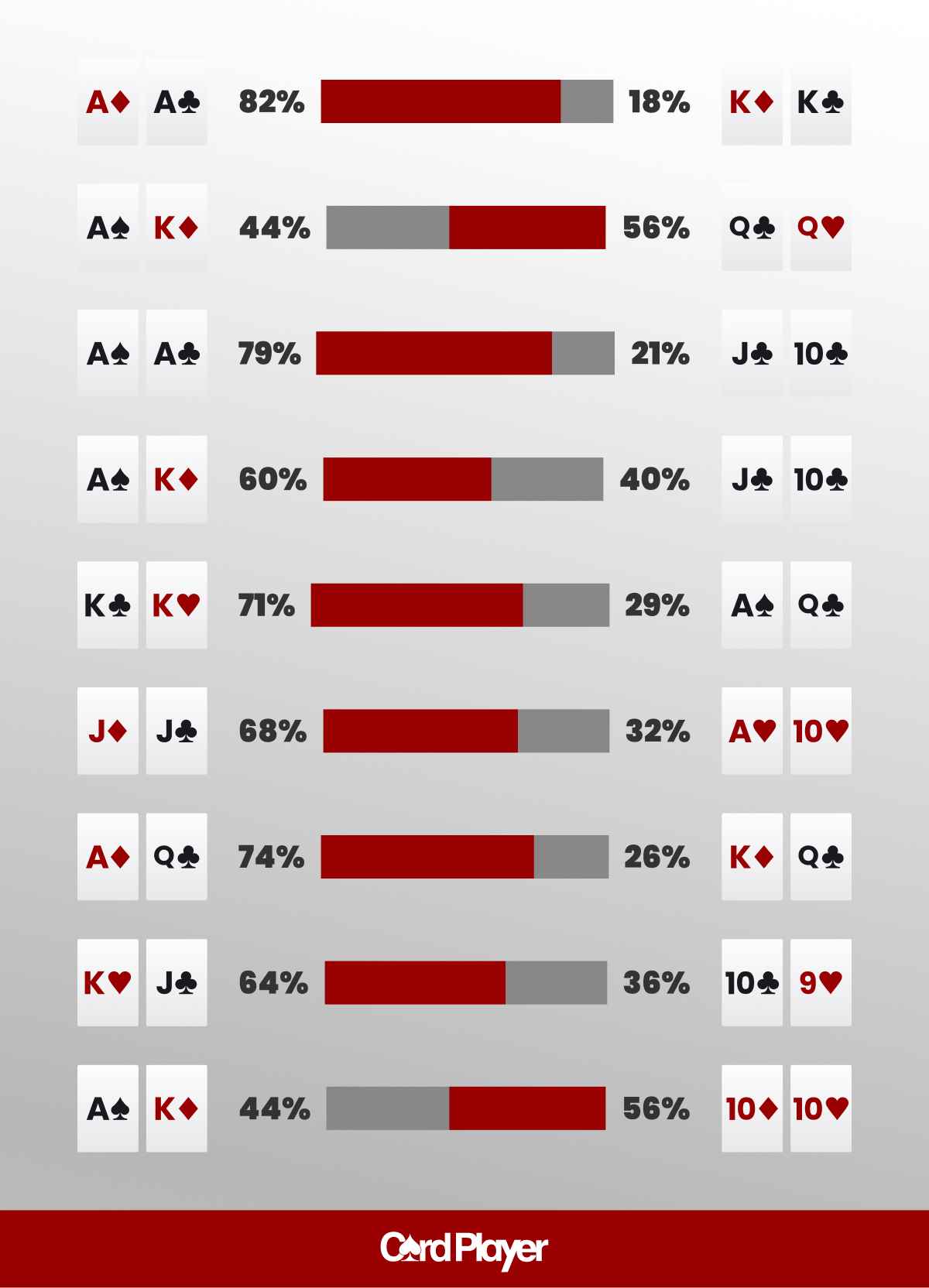
Understanding poker odds is not just a theoretical exercise; it’s a crucial skill that can be applied at the table to improve your decision-making and overall performance. Let’s explore how you can put your knowledge of poker odds into practice.
Preflop Considerations
Before the flop, you can use poker odds to determine the strength of your starting hand and the likelihood of improving it on the flop. By considering the number of players in the hand, the position you’re in, and the potential hands your opponents may hold, you can make more informed decisions about whether to play your hand or fold.
Postflop Strategies
After the flop, your understanding of poker odds becomes even more critical. By analyzing the cards on the board, the number of outs you have, and the pot odds, you can decide whether to continue betting, check, or fold. This knowledge can be particularly useful when you’re facing a bet or a raise, as it allows you to assess the risk-reward ratio of your decision.
Poker Odds in Tournament Play
The application of poker odds becomes even more nuanced in tournament settings, where the dynamics of chip stacks, blinds, and pay jumps come into play. In tournaments like the World Series of Poker (WSOP) or the European Poker Tour (EPT), understanding the impact of your chip stack and the tournament structure can help you make more strategic decisions based on the odds and probabilities involved.
Navigating Chip Stacks and Blind Levels
In tournament poker, the size of your chip stack and the blind levels can significantly influence your decision-making based on the odds. As the blinds increase, the value of your chips decreases, and the need to make profitable plays becomes more crucial. By understanding the impact of these factors on your odds, you can adjust your strategy accordingly and maximize your chances of success.
Responsible Gambling and Poker Odds
While understanding poker odds can provide you with a significant advantage at the table, it’s important to remember the importance of responsible gambling. Poker should be enjoyed as a form of entertainment, and it’s crucial to maintain a healthy balance between your pursuit of skill development and the risks associated with gambling. Always set a budget, play within your means, and be aware of the potential risks and consequences of excessive gambling. By embracing responsible gambling practices, you can ensure that your poker journey remains fulfilling and sustainable.
Leave a Reply