Managing your poker bankroll is a critical aspect of long-term success in the game. Whether you’re a recreational player or a seasoned pro, ensuring that you have a solid bankroll management strategy is essential to weathering the ups and downs of poker. In this comprehensive guide, we’ll explore the key principles and strategies you can implement to effectively manage your poker bankroll and maximize your chances of achieving sustainable profitability.
Determining Your Bankroll Size
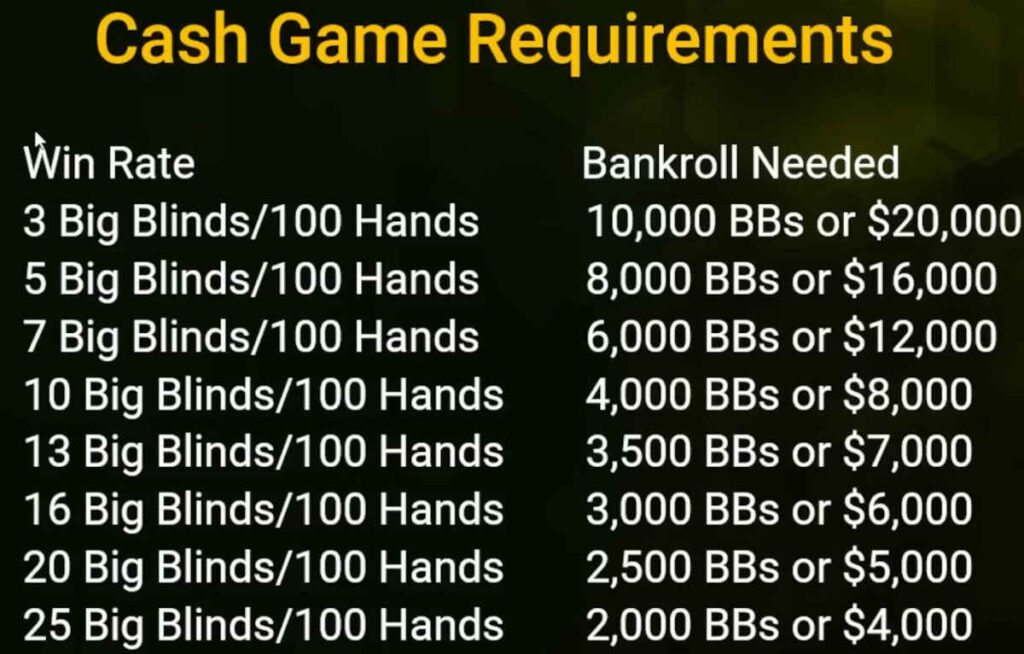
The first step in managing your poker bankroll is to determine the appropriate size for your bankroll. This will depend on several factors, including your skill level, risk tolerance, and the stakes at which you plan to play. As a general rule, it’s recommended that you have a bankroll that is at least 20-30 times the size of your average buy-in for the games you plan to play. This will provide you with enough cushion to withstand the inevitable variance and downswings that are inherent to the game of poker.
For example, if you plan to play $1/$2 No-Limit Hold’em, your bankroll should be in the range of $400-$600. This will give you the flexibility to absorb losses and continue playing without risking your entire bankroll on a single session.
Bankroll Diversification
One of the key principles of effective bankroll management is diversification. Instead of keeping your entire bankroll in a single account or location, it’s recommended to spread your funds across multiple sources. This could include a dedicated poker bankroll account, a savings account, or even investments in other asset classes.
By diversifying your bankroll, you can reduce the impact of a significant loss in one area and ensure that you have access to funds for other expenses or emergencies. It’s also important to keep your poker bankroll separate from your personal finances, as this will help you maintain a clear distinction between your gambling activities and your everyday living expenses.
Bankroll Tracking and Budgeting
Closely monitoring your bankroll and maintaining a detailed record of your winnings and losses is crucial for effective bankroll management. Use a spreadsheet or a dedicated poker tracking software to meticulously track your results, including your win rates, return on investment (ROI), and overall profitability.
Additionally, it’s important to establish a monthly or weekly budget for your poker activities. This will help you ensure that you’re not overspending and that you’re allocating an appropriate portion of your funds towards your poker activities while still maintaining a healthy financial balance.
Bankroll Preservation Strategies
Once you’ve established the appropriate size for your bankroll and have a system in place for tracking and budgeting, it’s time to focus on bankroll preservation strategies. These strategies are designed to protect your bankroll and minimize the impact of losses, ensuring that you can continue playing and building your bankroll over the long term.
Proper Bankroll Allocation
One of the most critical bankroll preservation strategies is to ensure that you’re playing at stakes that are appropriate for the size of your bankroll. As a general rule, you should never risk more than 2-5% of your total bankroll on a single buy-in or tournament entry. This will help you avoid the risk of a single catastrophic loss that could deplete your bankroll.
Additionally, it’s important to adjust your stake sizes based on the size of your bankroll. As your bankroll grows, you can gradually increase the stakes at which you play, but always maintain a conservative approach to ensure that you’re not overextending yourself.
Discipline and Emotional Control
Effective bankroll management also requires a high degree of discipline and emotional control. It’s easy to get caught up in the excitement of the game and make impulsive decisions that can lead to significant losses. To avoid this, it’s important to establish a set of rules and guidelines for your poker activities and to strictly adhere to them.
This may include setting a daily or weekly loss limit, taking breaks when you’re on a downswing, and avoiding playing when you’re feeling emotionally or physically fatigued. By maintaining a disciplined approach and staying in control of your emotions, you can significantly improve your chances of preserving your bankroll and achieving long-term success in poker.
Bankroll Building Strategies
While preserving your bankroll is essential, it’s also important to have strategies in place for building and growing your bankroll over time. This will allow you to gradually increase the stakes at which you play and potentially achieve higher levels of profitability.
Mastering Game Selection
One of the most effective bankroll-building strategies is to carefully select the games and stakes at which you play. Look for games and tournaments that offer the best value, with favorable player pools and structures that align with your skill set. This may involve exploring different variants of poker, such as Pot-Limit Omaha or Mixed Games, or seeking out softer online games and tournaments.
Additionally, it’s important to continuously work on improving your game and developing new strategies to stay ahead of the competition. This may involve studying poker theory, analyzing your own play, and seeking out coaching or mentorship from experienced players.
Responsible Gambling Practices
Lastly, it’s crucial to remember that responsible gambling practices are essential for maintaining a healthy and sustainable approach to poker. This includes setting realistic goals, understanding the inherent risks of gambling, and seeking help if you ever feel that your poker activities are becoming problematic.
Remember, the key to successful bankroll management in poker is to approach the game with a disciplined, long-term mindset. By implementing the strategies and principles outlined in this guide, you’ll be well on your way to building a solid poker bankroll and achieving sustainable success in the game.
Leave a Reply